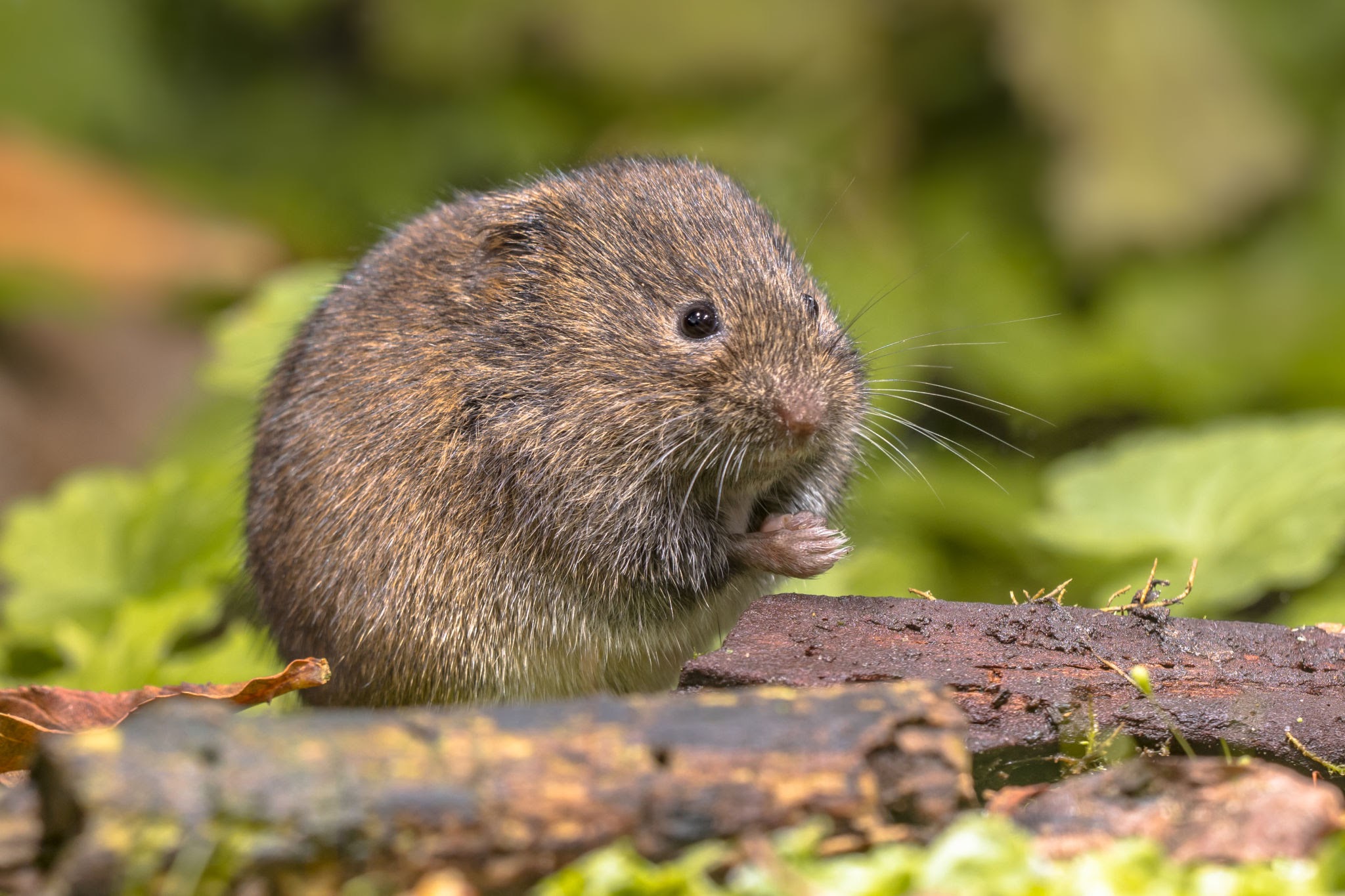
Voles are small, mouse-like rodents that belong to the family Cricetidae. Also known as meadow mice or field mice, they are widely distributed across various habitats in North America, Europe, and Asia. Voles play important roles in ecosystems as both herbivores and prey species, but they can also be considered pests due to their ability to damage crops and gardens. Understanding their biology, behavior, and ecological significance is essential for effective management and conservation efforts.
Taxonomy and Classification
Voles belong to the family Cricetidae, which also includes other rodents such as hamsters, lemmings, and true mice. They are classified into different genera and species, including the Microtus genus, which comprises the most common voles found in North America.
Description and Physical Features
Voles are small rodents with stocky bodies, short legs, and short tails. They typically measure between 3 to 9 inches (7.5 to 22.5 centimeters) in length, depending on the species. Voles have dense fur that can vary in color, including shades of brown, gray, or black, often with a lighter underbelly. Their eyes are small and their ears are partially hidden within their fur.
Habitat and Distribution
Voles inhabit a wide range of habitats, including grasslands, meadows, forests, marshes, and agricultural fields. They are adaptable and can thrive in both moist and dry environments. Voles construct extensive burrow systems that provide protection and shelter. These burrows have multiple entrances and can be located above or below ground.
Vole species have different geographic distributions. In North America, common species include the meadow vole (Microtus pennsylvanicus) and the prairie vole (Microtus ochrogaster).
Behavior and Diet
Voles are primarily herbivorous, feeding on a variety of plant materials. Their diet consists of grasses, roots, tubers, bulbs, seeds, and the bark of trees and shrubs. They are considered generalists, meaning they can adapt their diet to available food sources. During winter months when vegetation is scarce, voles may rely on stored food caches or feed on tree bark to survive.
Voles are active year-round, both during the day and at night, depending on the species. They are prolific breeders, with females capable of producing multiple litters per year. Gestation periods are relatively short, lasting around three weeks, and litters typically consist of three to six young voles.
Ecological Significance
Voles play important roles in ecosystems as both consumers and prey. As herbivores, they contribute to nutrient cycling and plant dispersal through seed consumption. Voles also serve as a food source for predators such as owls, hawks, foxes, snakes, and larger mammals. Their burrowing activities can have positive impacts on soil aeration and nutrient distribution.
Interaction with Humans
While voles are generally considered beneficial for ecosystem processes, they can become problematic when their populations reach high densities or when they damage crops, gardens, or ornamental plants. Voles may gnaw on the bark of trees and shrubs, which can inhibit growth or cause plant mortality. They can also consume seeds, bulbs, and root crops, impacting agricultural productivity.
Distinguishing Vole Damage from Other Rodent Damage
Telling vole damage apart from that of other rodents, such as pocket gophers, often comes down to where and how the damage occurs. Voles usually cause girdling—chewing that strips the bark—on the exposed parts of trees and shrubs, right above the soil line. This is in contrast to pocket gophers, whose similar gnawing activity commonly takes place underground, out of sight.
Occasionally, voles might chew slightly below ground level, but their work is typically more visible. To further confirm their presence, keep an eye out for open burrow entrances near the affected plants—voles tend to leave these entrances uncovered, while pocket gophers construct characteristic soil mounds that close off their tunnel systems. Identifying the type of damage, coupled with observing these habitat signs, can help you accurately determine which critter is at work and guide appropriate management steps.
Control and Management
Managing voles can be challenging, but several strategies can help minimize damage in agricultural or residential areas:
- Habitat Modification: Reducing vole-friendly habitats, such as tall grasses or dense vegetation, around vulnerable areas can discourage their presence. Clearing debris, reducing ground cover, and keeping lawns mowed can make the area less attractive to voles.
- Barriers and Exclusion: Physical barriers, such as wire mesh or fencing buried several inches into the ground, can help protect trees, gardens, and other vulnerable areas from vole damage. Additionally, installing tree guards or collars around young trees can prevent voles from gnawing on the bark.
- Trapping: Live trapping can be an effective method for reducing vole populations. Traps can be baited with seeds or other food sources and placed near vole burrows or runways. Trapped voles can then be released in suitable habitats away from human-occupied areas.
- Predator Attraction: Encouraging the presence of natural predators can help regulate vole populations. Providing habitat features, such as nesting sites or perches, for birds of prey or creating brush piles for predators like snakes or foxes can help attract these natural vole predators.
Limitations of Relying on Natural Predators
While attracting natural predators such as owls, hawks, foxes, and snakes may seem like an appealing, eco-friendly approach to vole control, it comes with several drawbacks. First, most predators tend to avoid areas close to homes, gardens, and other highly managed landscapes—precisely where vole problems are often most pressing. Their hunting patterns are driven by habitat preference and availability of alternative prey, which means they may not prioritize voles in your yard when easier or more appealing food sources are present.
Additionally, although efforts like installing barn owl nest boxes can help support raptor populations in larger green spaces—like parks or meadows—these solutions may have limited impact in residential environments. Even in more suitable landscapes, predators rarely consume every vole. The high reproductive rate of the vole ensures that even a small remaining population can quickly rebound, potentially causing new rounds of damage.
Because predator diets are broad and adaptable, their impact on vole numbers often fluctuates. As vole populations drop, predators may simply shift to hunting other species, ensuring that some voles almost always remain. Consequently, relying exclusively on natural predators is not a consistently effective strategy for keeping vole populations in check, especially in high-value or sensitive areas. More immediate and targeted methods—such as habitat modification, exclusion, and trapping—tend to deliver more reliable results for homeowners and gardeners confronting vole-related damage.
Ineffective Vole Control Methods
Not all control techniques deliver results when it comes to voles. Some common approaches—despite their popularity—tend to fall short:
- Burrow fumigants: Products like gas cartridges don’t work well on voles, largely because their shallow tunnels have many escape exits, letting fumes dissipate before they can be effective.
- Electromagnetic and ultrasonic devices: Gadgets that claim to repel pests with sound waves or electromagnetic fields have not demonstrated reliable success in deterring vole activity.
- Flooding: Attempting to flood vole tunnels in garden or landscape settings rarely drives them out, due to the complexity and shallowness of their burrow systems.
Focusing on proven methods, such as habitat modification or exclusion, will yield far better results in keeping voles in check.