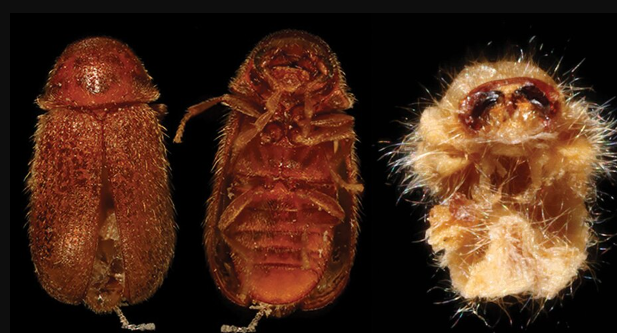
Drugstore beetles, scientifically known as Stegobium paniceum, are small beetles that belong to the family Ptinidae. These beetles are notorious pests of stored food products and household items, infesting pantries, kitchens, and pharmacies. Understanding their biology, behavior, and control measures is crucial for effective pest management and the protection of stored goods.
Why Are They Called "Drugstore" or "Biscuit" Beetles?
The name "drugstore beetle" comes from this insect’s historic tendency to infest pharmacies, where they would burrow into and feed on medicinal herbs, pills, and other dried goods. In a similar vein, they’re often called “biscuit beetles” in the UK and other parts of the world thanks to their fondness for dried baked goods and pantry staples like biscuits and crackers.
However, these beetles are not picky eaters. Their appetite extends well beyond anything you might find in a medicine cabinet or biscuit tin—they’ve been known to chomp through grains, flour, spices, pet food, books, leather, wool, and even hair. This broad diet is what makes them such persistent and troublesome household invaders.
Taxonomy and Classification
Drugstore beetles belong to the family Ptinidae, commonly referred to as spider beetles or drugstore beetles. They are classified under the genus Stegobium, with Stegobium paniceum being the most well-known and studied species. Drugstore beetles are part of a larger group of beetles known as “stored product pests.”
Morphology and Appearance
Adult drugstore beetles are small, typically measuring around 2 to 4 millimeters in length. They have an elongated oval shape and are covered in fine hairs, giving them a somewhat fuzzy appearance. Drugstore beetles have a reddish-brown to dark brown coloration.
The head of the drugstore beetle is hidden under the pronotum, giving it a compact and rounded appearance. They have clubbed antennae consisting of segmented articles, with the last three forming a distinct club.
Habitat and Distribution
Drugstore beetles are distributed worldwide and are commonly found in areas where stored food and other organic materials are present. They infest a wide range of products, including grains, cereals, flour, spices, tobacco, dried fruits, pet food, drugs, and even museum specimens. Drugstore beetles can adapt to various environmental conditions and are often found in homes, grocery stores, warehouses, and other locations where susceptible items are stored.
Life Cycle and Behavior
The life cycle of drugstore beetles consists of four stages: egg, larva, pupa, and adult. Female beetles lay their eggs directly on or near the food source, and the larvae hatch and feed on the infested materials. The larvae are creamy-white and grub-like, with a hardened head capsule. They undergo several molts before pupating.
Once the pupal stage is complete, adult drugstore beetles emerge from the pupae. Following the pupal stage—which typically lasts just under three weeks—adult drugstore beetles emerge and begin their relatively brief lives. On average, adult beetles live anywhere from two weeks to a little over two months, depending on temperature and food availability.
Drugstore beetles have the ability to fly, although they are not strong fliers and tend to be more active at night. They are attracted to light and can be found near windows and light fixtures.
Feeding Habits and Damage
Both larvae and adult drugstore beetles are capable of feeding on a wide range of organic materials. They can infest and damage stored food products, including grains, spices, and dried fruits, rendering them unsuitable for consumption. The larvae bore into the infested materials, causing damage and contaminating them with their frass (insect waste) and cast skins.
Health Risks Associated with Drugstore Beetle Infestations
Beyond economic losses and food spoilage, drugstore beetle infestations can pose several health concerns. Foods contaminated by these beetles and their byproducts—including shed skins, larvae, and insect waste—are unsuitable for human consumption and should always be discarded. Ingesting contaminated food may lead to irritation of the mouth, throat, or digestive tract.
Although drugstore beetles are not known to transmit diseases, their presence can trigger allergic reactions in sensitive individuals. Additionally, the degradation of food products may encourage the growth of mold or bacteria, further increasing the risk of foodborne illness. For this reason, any infested materials must be promptly identified and removed to maintain a safe and healthy environment.
Control and Management
Managing drugstore beetle infestations requires a combination of preventive measures and targeted control methods. Strategies for drugstore beetle control include:
- Regularly inspecting stored food products and discarding infested items.
- Maintaining proper sanitation and cleanliness in storage areas to remove potential food sources and breeding sites.
- Storing susceptible items in airtight containers made of glass, metal, or heavy-duty plastic.
- Monitoring stored products for signs of infestation, such as the presence of live or dead beetles, larvae, or damaged packaging.
- Using pheromone traps or insecticides, as directed by professionals, to control infestations in larger areas or facilities.
- Seeking professional pest control assistance for severe infestations or when do-it-yourself methods are ineffective.
Economic and Household Impact
Drugstore beetles are considered significant pests due to their ability to infest and damage a wide range of stored products. Infestations can result in economic losses for food producers, distributors, and retailers. Additionally, drugstore beetles can compromise the quality and safety of household food supplies.
Conservation Status
The conservation status of drugstore beetles is not evaluated, as they are considered pests and their populations are not threatened or endangered. Control efforts primarily focus on managing infestations and preventing economic losses.